
What to See Along the Way: Wildlife and Landmarks
Bird watching tips, historic features to look out for, and the best times of year to spot seals and sea birds from the waterfront.
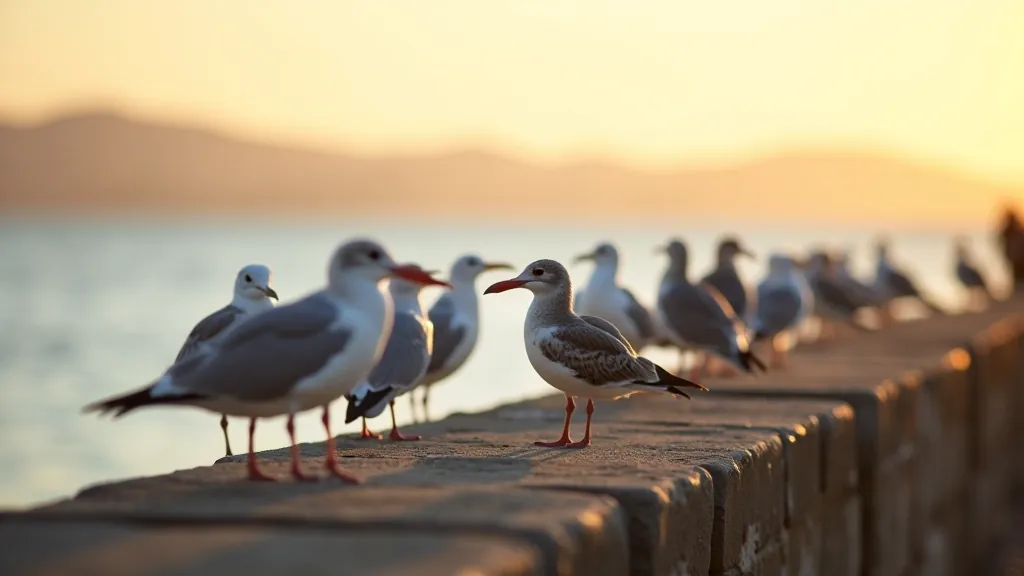

Why Dún Laoghaire Is a Wildlife Watcher's Paradise
Dún Laoghaire isn't just beautiful — it's alive with creatures. You'll see more than just a nice pier walk here. Seals pop up regularly, birds wheel overhead constantly, and if you know where to look, you'll spot details most visitors miss completely.
The waterfront stretches about 2 kilometres along the coast. Different sections attract different wildlife. East Pier? Seals love the outer sections. West Pier? Better for cormorants and shearwaters. The promenade itself brings surprises — hedgehogs in summer, nesting seagulls in spring. You just need to know when and where.
Seals Year-Round
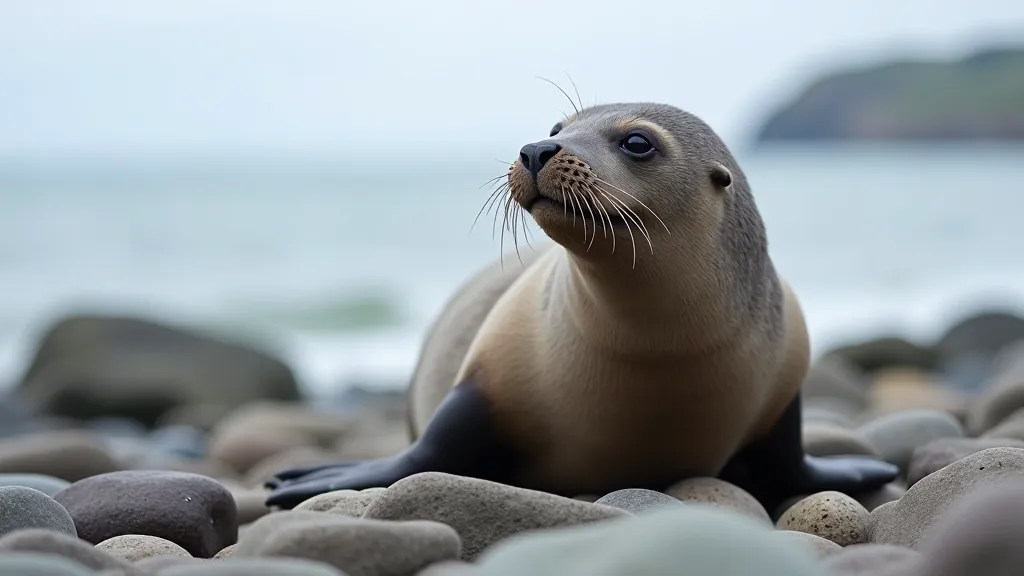
Grey seals are resident here. Best viewing: early morning or late afternoon when they're most active.
Seals: Where to Spot Them and When
Grey seals hang around Dún Laoghaire year-round, but they're more active in certain seasons. Winter and early spring is prime time — that's when they haul out on the rocks to rest and sun themselves. You'll see them clustered on the outer rocks of the East Pier, usually in groups of 5 to 20.
Early morning walks are your best bet. Between 7 and 9 a.m., the waterfront's quieter and seals are most relaxed. Late afternoon works too — around 4 to 6 p.m. Midday? They're usually in the water, diving for fish. Bring binoculars if you have them. The seals stay pretty far out, and you don't want to disturb them anyway.
- Early morning or late afternoon — peak activity
- Winter months bring larger groups
- Keep at least 50 metres distance
- Don't approach nesting pups in spring
Birds: A Year-Round Show
The bird life here changes with seasons, but there's always something worth watching. Cormorants are resident year-round — you'll see them on the rocks drying their wings, looking a bit prehistoric. Gulls are everywhere, obviously, but look closer and you'll spot black-headed gulls mixed in with the herring gulls.
Spring brings visiting birds. Sandwich terns arrive around April, and they're stunning to watch — sleek white bodies, black caps, hovering over the water before diving. Summer adds common terns too. Autumn migration is genuinely exciting. You'll see warblers, wheatears, and if you're lucky, rare stragglers from Iceland or northern Europe.
Get a basic bird identification guide — it transforms walks. You'll start noticing differences. That's not just a gull, it's a great black-backed gull. That's not just a duck, it's a great crested grebe. Details matter.
Historic Landmarks Worth Your Time
The piers aren't just for views — they're working pieces of history.
East Pier (1859)
Nearly 200 years old and still standing. The outer sections are where you'll find seals. The lighthouse at the end is still operational — worth walking all the way for the views.
West Pier (1767)
The older pier. It's shorter and quieter than the East Pier. Better for watching cormorants and shearwaters. Less crowded — you'll have more peace for bird spotting.
The Promenade Houses
Victorian and Edwardian terraces line the seafront. Look up — you'll notice the architectural details. Some date back to the 1800s. It's architecture and seaside rolled into one walk.

Practical Tips for Wildlife Spotting
A few small things make the difference between a nice walk and an actual wildlife experience.
Bring Binoculars
Doesn't need to be expensive. Basic 8x32 binoculars from any camera shop work fine. Changes everything. You'll see detail on distant birds and seals you'd completely miss with your eyes alone.
Go Early, Stay Quiet
Early morning walks mean fewer people and more active wildlife. Keep voices down. Wildlife scatters when groups get loud. You'll see ten times more if you're patient and quiet.
Check Tide Times
Seals haul out more when tide's going out. Rock pools on the promenade reveal different creatures at low tide. Plan around the tide, not against it.
Dress for Wind
Waterfront wind is real. Layers work better than one thick jacket. You'll stay out longer and actually enjoy the experience if you're comfortable temperature-wise.
Best Times for Different Wildlife
When you walk matters as much as where you walk.
Terns arrive. Nesting birds become visible. Seals still hauling out. Wildflowers on the promenade. It's the busiest season for wildlife activity. Early April is ideal.
Warm and crowded with tourists. Wildlife gets less active in midday heat. Early morning walks are essential. Evening walks can be good too — fewer people after 6 p.m.
Migration season. Rare birds pass through. Seals start hauling out again as water cools. Fewer tourists. September and October are peak spotting months.
Cold but excellent for seals. They're most visible December through February. Fewer people means better viewing. Bring wind protection — winter coastal wind is serious.
Your Dún Laoghaire Wildlife Walk Starts Now
You don't need special equipment or years of experience to enjoy what the waterfront offers. Start simple. Walk early. Watch quietly. Bring binoculars if you have them. You'll notice things — seals hauling out, birds diving for fish, historic buildings overlooking it all. These aren't rare or difficult things to spot. They're there most days. You just need to be present for them.
The piers have been here nearly 200 years. Wildlife has been here longer. They'll be there when you arrive. Make your walk about presence — about actually watching what's in front of you — and you'll see why people keep coming back.
About This Guide
This guide is educational information about wildlife and landmarks at Dún Laoghaire. Wildlife behaviour and availability vary by season, weather, and daily conditions. Always maintain safe distances from animals — minimum 50 metres from seals. Follow all local regulations and respect private property. Weather can change rapidly on coastal areas. Wear appropriate clothing and footwear. This information is based on general observation and local knowledge, not scientific wildlife surveys.
Related Walks & Guides