Walking Guide
The Pier Walk: A Complete Route Guide
Everything you need to know about walking the iconic East and West piers — distances, best viewing spots, and what to bring along.

Why Walk the Piers?
The East and West Piers at Dún Laoghaire aren't just historic structures — they're one of Dublin's best-kept secrets for a peaceful seaside walk. You'll get stunning coastal views, fresh sea air, and a sense of accomplishment without pushing yourself too hard. The flat, paved surfaces make it perfect for those who want something gentle but engaging.
We're going to walk you through both piers in detail. You'll learn the exact distances, where to rest comfortably, what you'll see along the way, and how to prepare properly. Most people find they can tackle either pier in about 45 minutes to an hour at a relaxed pace.
2.4 km
East Pier Loop
1.8 km
West Pier Loop
4 Spots
Rest Points
01
The East Pier: Start to Finish
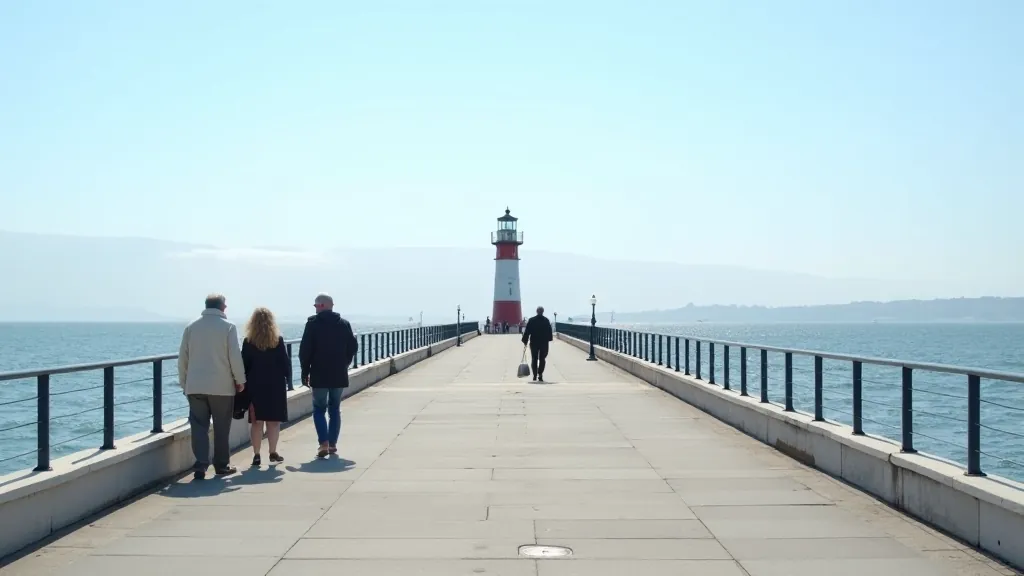
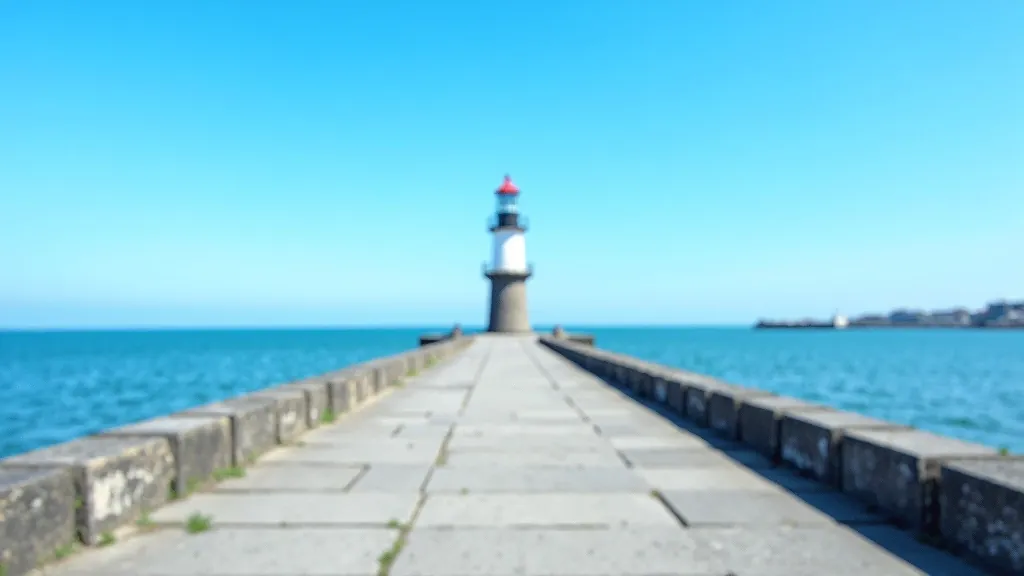
The East Pier is the more dramatic of the two. You'll start at the entrance near the lifeboat station and walk straight out toward the lighthouse. The first 600 meters are completely exposed, so you'll get that full coastal feeling right away — wind in your face, seabirds overhead, and views that stretch for miles.
About halfway along, there's a small shelter where you can sit for 10 minutes and catch your breath. It's perfectly positioned if the wind picks up. From there, it's another 400 meters to the lighthouse at the end. Don't rush this part — the last section has the best views of Killiney Bay and the Wicklow Mountains in the distance.
The return journey is easier because you're walking with the light at your back. Total distance is 2.4 kilometers, and you'll find the walk takes about 50 minutes at a comfortable pace. The surface is well-maintained concrete throughout.
02
The West Pier: A Quieter Route
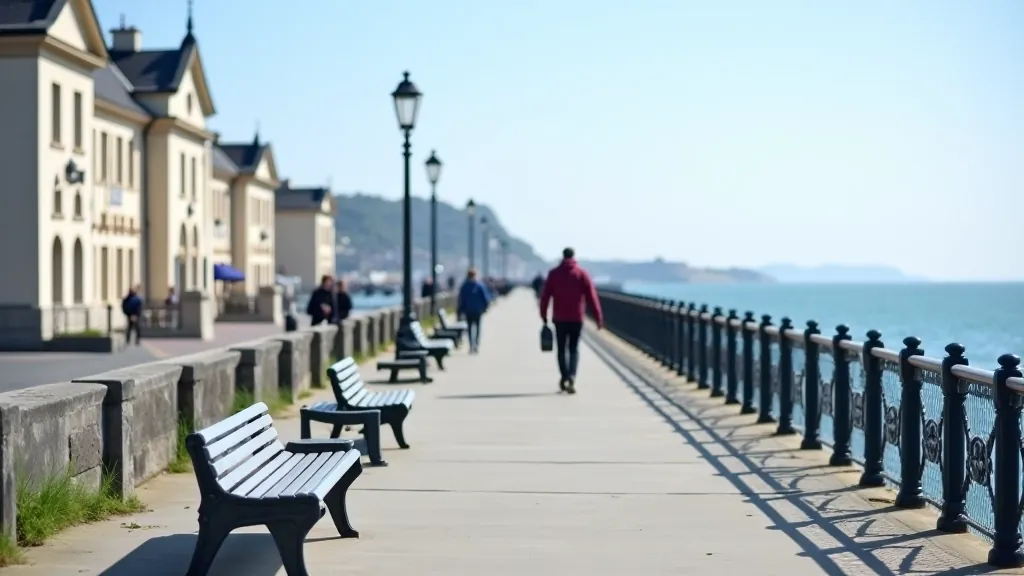
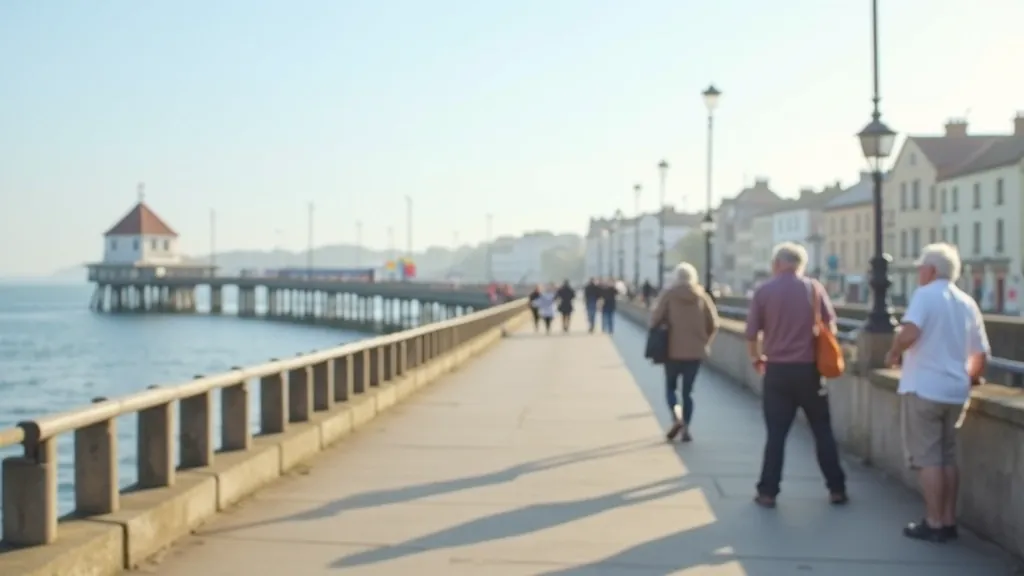
If you want something a bit gentler, the West Pier is your choice. It's shorter, wider, and has more shelter from wind because it's partially enclosed by the harbor structures. You're walking among some beautiful Victorian-era features here — old stone work, heritage plaques, and a real sense of Dublin's maritime history.
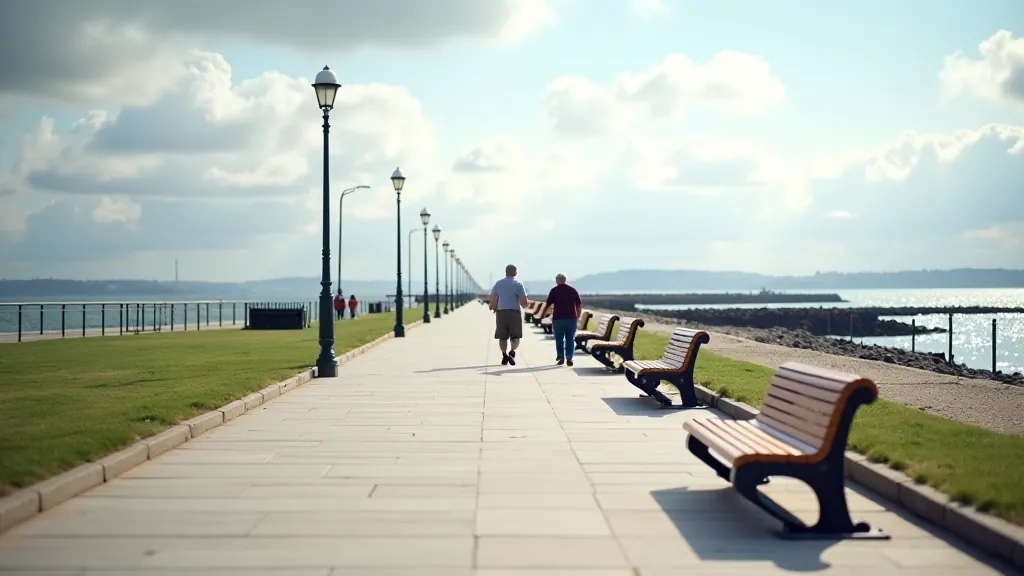
The West Pier is 1.8 kilometers around, taking roughly 40 minutes at a relaxed pace. What's brilliant about this one is that there are benches every 200 meters or so. You can break it into smaller chunks if you'd like. The shelter near the midpoint has a roof, which is handy if weather turns.
This pier also connects nicely to the promenade walk if you want to extend your outing. You could do the West Pier, then walk along the seafront for coffee somewhere comfortable. It's less dramatic than the East Pier, but honestly, it's more manageable and just as rewarding.
Where to Rest Along the Way
Knowing where you can sit comfortably makes all the difference. Here's what you'll find on each pier:
East Pier Shelter
Located 1.2 km from start. Roof covering, bench seating, wind protection. Takes about 25 minutes to reach.
East Pier Lighthouse Base
Open bench area with 360-degree views. Best views on the entire walk. Takes about 45 minutes to reach.
West Pier Multiple Benches
Benches at 200m intervals. Choose whichever feels right. Covered shelter at midpoint (800m).
Dún Laoghaire Harbour Cafés
Return to harbor level for proper seating, hot drinks, and food. Several options within walking distance of both piers.
What to Bring and How to Prepare
The piers are exposed to the elements, so preparation matters. You don't need much, but getting these right makes the walk genuinely enjoyable rather than something you're enduring.
Layers Are Essential
Even in summer, the wind off the sea keeps things cool. A lightweight jumper over a t-shirt is perfect. Bring a windbreaker if you have one — the difference is real.
Proper Footwear
Wear shoes with good grip. The concrete gets slippery when wet, and you don't want to slip. Comfortable walking shoes matter more than fashionable ones.
Water and Snacks
Bring a small bottle of water and perhaps a banana or energy bar. You'll be walking for 45 minutes to an hour, and staying hydrated makes it easier.
Sun Protection
Sunscreen and a hat are genuinely important. There's no shade on the piers, and the reflection off the water intensifies the sun.

Best Times to Walk
Timing affects your experience significantly. Here's what works best:
Spring (March–May)
Temperatures around 12–15°C. Daylight until 8pm. You'll see migrating birds. It can be windy, but the longer daylight is brilliant.
Summer (June–August)
Warmest season, 16–20°C. Daylight until 9pm. Most crowded, but genuinely pleasant. Early morning walks avoid the crowds.
Autumn (September–November)
Temperatures 12–16°C. Fewer tourists. Watch for autumn storms — they can make the piers quite dramatic.
Winter (December–February)
Cold and windy, 5–8°C. Daylight ends by 5pm. The piers are yours alone, but bring serious layers.
Getting There and Practical Logistics
A few practical details to make your visit smooth:
Parking
There's free parking at Dún Laoghaire harbour. It's abundant and easily accessible. You're never far from the pier entrances once you've parked.
Public Transport
The DART train comes directly to Dún Laoghaire station. Bus routes 7, 46A, and others stop nearby. Public transport is reliable if you'd rather not drive.
Toilets and Facilities
Public toilets are available near the harbour entrance, not on the piers themselves. Plan accordingly. The town has plenty of cafés with facilities if needed.
Walking Alone or With Others
The piers are busy enough that you'll never feel alone, but they're also good for solo walks. Plenty of other walkers and locals about, especially midweek mornings.
Why These Walks Matter
Walking the piers isn't just about exercise — though that's part of it. It's about getting outside, breathing fresh air, and feeling the connection to the sea that makes Dublin special. The piers have been there for over a century, and they're waiting for you.
You don't need to be super fit. You don't need special gear. You just need comfortable shoes, the right layers, and a willingness to take it at your own pace. Both piers work equally well — choose based on your mood. Want drama and views? The East Pier. Want something gentler and more reflective? The West Pier.
Start with one pier, see how you feel, and come back for the other. Plenty of people make this a regular outing — monthly, weekly, even a few times a week. It's one of Dublin's best-kept treasures, and it's free. That's genuinely hard to beat.
Important Information
This guide is informational only and reflects typical conditions. Weather, tide times, and pier access can change. Always check current conditions before you go. The piers are exposed to coastal weather — wind and waves can make conditions dangerous in storms. If you have mobility concerns or health conditions, speak with your doctor before attempting longer walks. The information here isn't a substitute for your own judgment and local knowledge. Enjoy safely.
Related Reading